What’s shaping marketing right now
The ads, deals, and industry shake-ups that defined the week
05 Mar 2026
What’s shaping marketing right now
The ads, deals, and industry shake-ups that defined the week

Case Studied Brief
March 05, 2026
Case Studied Brief
Mergers, values, and a whole lot of conviction
This week's Brief looks at how brands are being shaped by what they say yes to… and what they say no to.
A $110 billion Hollywood merger is redrawing the media landscape. AI companies are choosing their red lines. And a sad stuffed monkey somehow captured the internet's attention.
We unpack what it means today and what it signals for the future.
Campaigns of the week 📺
Adidas Originals
Checking into the Hotel Superstar
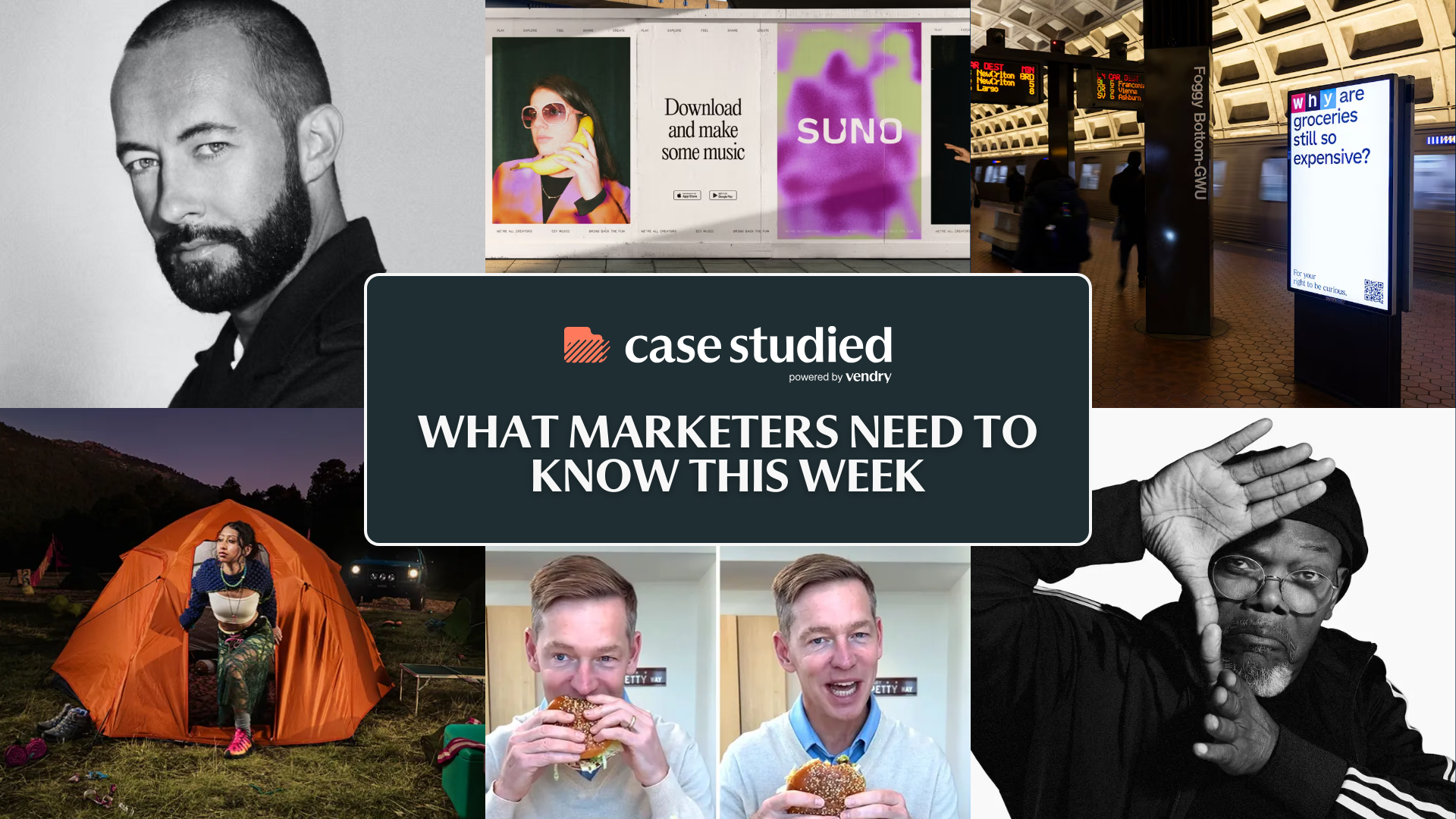
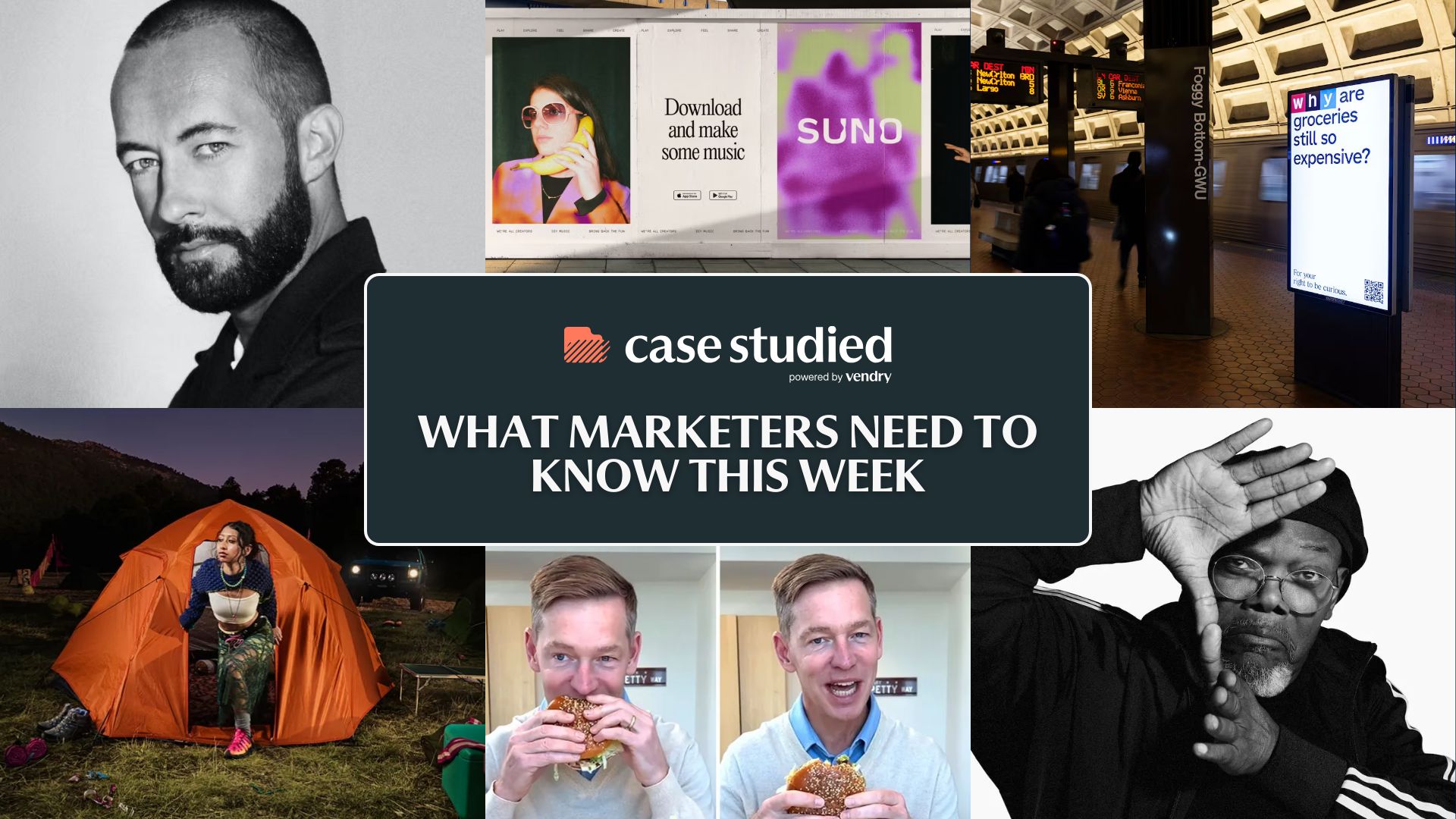
Adidas tapped director Thibaut Grevet to create "Hotel Superstar," a surrealist short film starring a barefoot Samuel L. Jackson. In the spot, Jackson wanders a hotel in search of his missing shoes, a pair of Adidas Originals Superstars. Along the way, he crosses paths with pop star Jennie, supermodel Kendall Jenner, football star Lamine Yamal, rapper Baby Keem, and other celebrities. The film has the vibe of an eclectic fever dream where you don’t know what will happen next. And Adidas didn’t shy away from letting Jackson be Jackson. At one point, the actor yells, “Where are my f**king Superstars?”
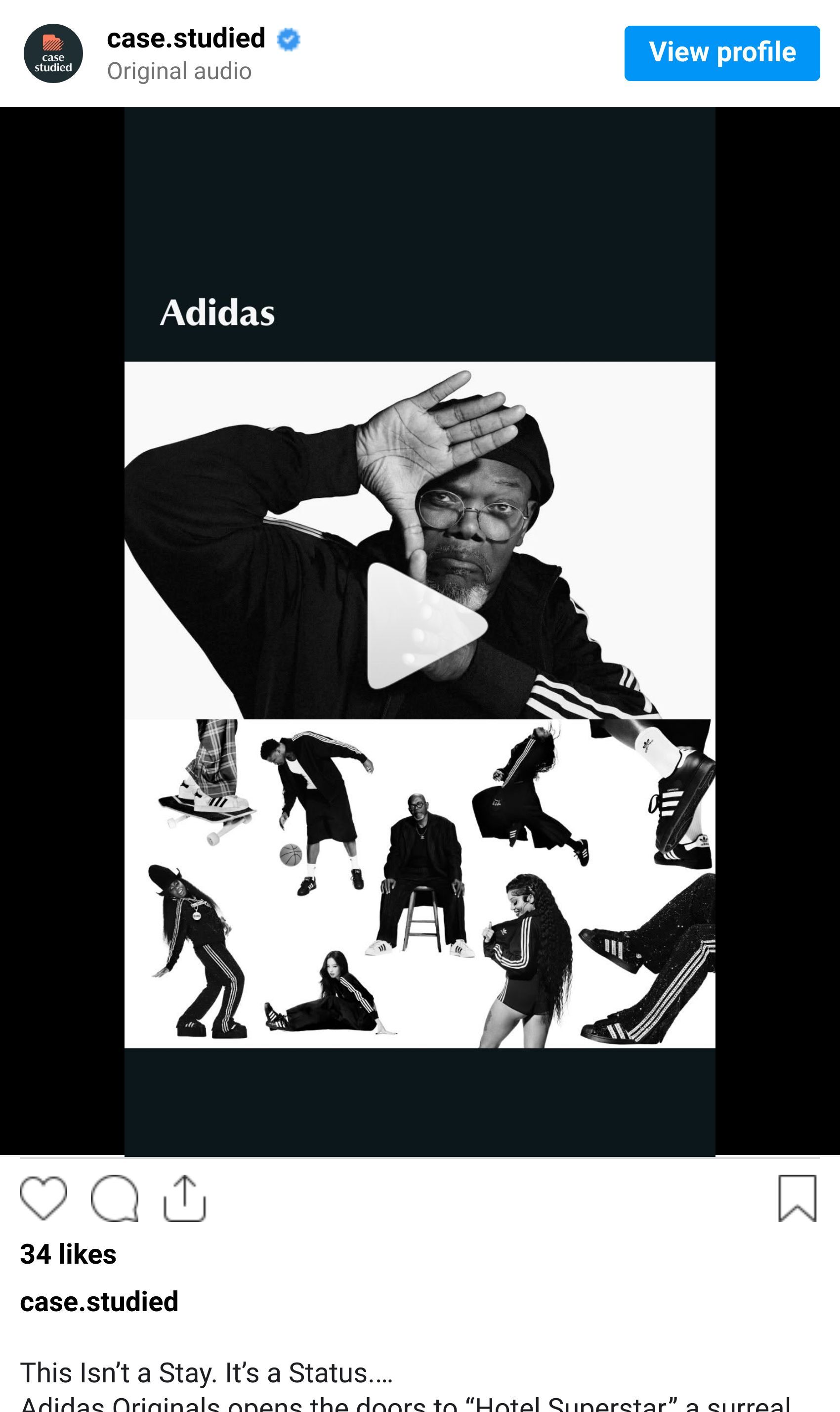
Why it stood out: This is a creative example of an ad that doesn’t feel like an ad. The star power feels like a natural part of the storytelling and the surrealism helps keep the audience watching. For marketers, it’s a reminder that entertainment value and brand value don’t have to be in tension. When the creative is strong enough, they can reinforce each other.
📖 Read more: Hollywood Reporter
NPR
The ol’ logo swap
In its first major brand campaign in years, NPR teamed up with the agency Mischief @ No Fixed Address to rearrange its iconic letters. Across the brand’s buildings, billboards, and social media, “NPR” was replaced with the words “WHO”, “WHY”, and “HOW.” They called it a “declaration of its commitment to fight for Americans’ right to ask questions both big and small.” The campaign draws inspiration from listener questions NPR receives like “Why are groceries so expensive?” and “How does AI affect my electric bill?” It comes after NPR’s federal funding was rescinded by Congress last year in a $1.1 billion rescission package.
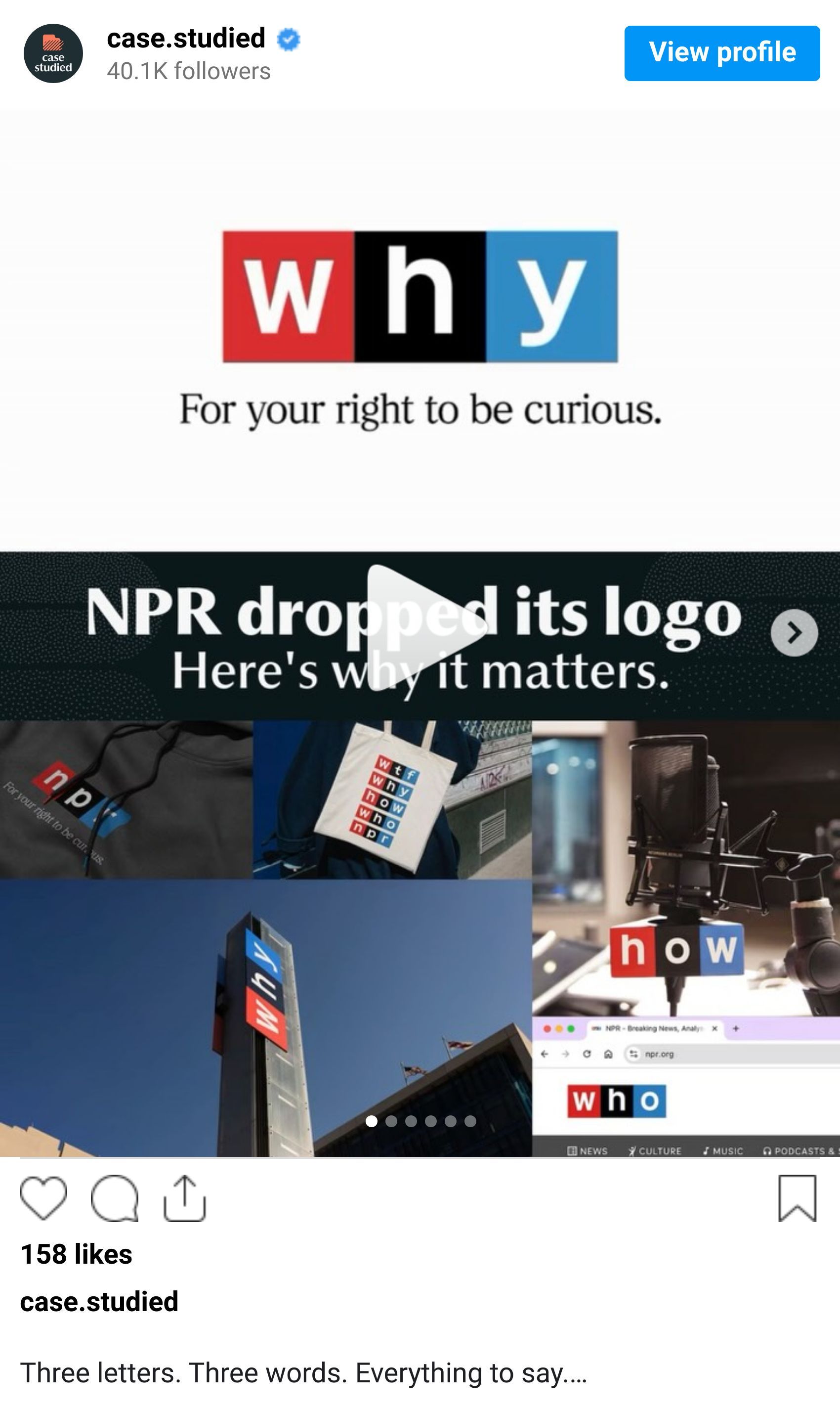
Why it stood out: At a moment when NPR is navigating real existential pressure, the organization is putting its values and its value proposition in the spotlight. The logo inversion is a simple visual gesture that makes a clear, instantly recognizable statement on what the brand cares about and how it serves its audience. For marketers, it’s an example of how to get a direct message across with a simple gesture.
📖 Read more: NPR
Merrell
Reframing the great outdoors
For its 45th anniversary, Merrell launched its first-ever global brand platform, "It Starts Outside," with Uncommon Creative Studio. It debuted with a 30-second video spot that ditches epic mountain peaks for a diverse array of outdoor settings: a small balcony, a concrete sidewalk, a grassy front yard. Per a press release, the brand is aiming to reframe the outdoors as “immediate and attainable rather than aspirational or elite.”
Why it stood out: Merrell is making a quietly significant repositioning play here, from niche hiking brand to outdoor lifestyle brand. By redefining "outdoors” in this way, they dramatically expand their potential audience without alienating their core. It's also a timely move, as conversations around digital burnout increase. For marketers, it’s a strong example in how to execute brand repositions with storytelling.
📖 Read more: Marketing Dive
Exclusive Subscriber Perk
Hire better agency partners…or let us do it for you!
Busy CMO’s don’t run their own agency searches, they hand them to Case Studied to do the vetting for them.
With over 200,000 agencies in our database, we know which agencies perform for clients and which churn them. No more guessing or signing bad contracts.
We conduct over 500 RFPs a year for our subscribers including brands like Thrive Market (Retail), Zscaler (SaaS), Rula (Healthcare), F1 (Entertainment) & more.
To get started book a 15-minute call with our team, describe your agency brief and then receive 3 handpicked and vetted matches in under 2-weeks.
Zero cost to you. No commitment. Save 20+ hours vetting.
Industry news 🤝
Paramount and WBD: The $110 billion union
Paramount Skydance won the bidding war for Warner Bros. Discovery after Netflix refused to increase its $72 billion bid. The deal will merge HBO Max and Paramount+ into a combined platform with over 200 million subscribers. Antitrust experts don’t expect regulators to block the deal but even still, the approval process is likely to be long. Meanwhile, Paramount CEO David Ellison pledged to release at least 30 movies per year.
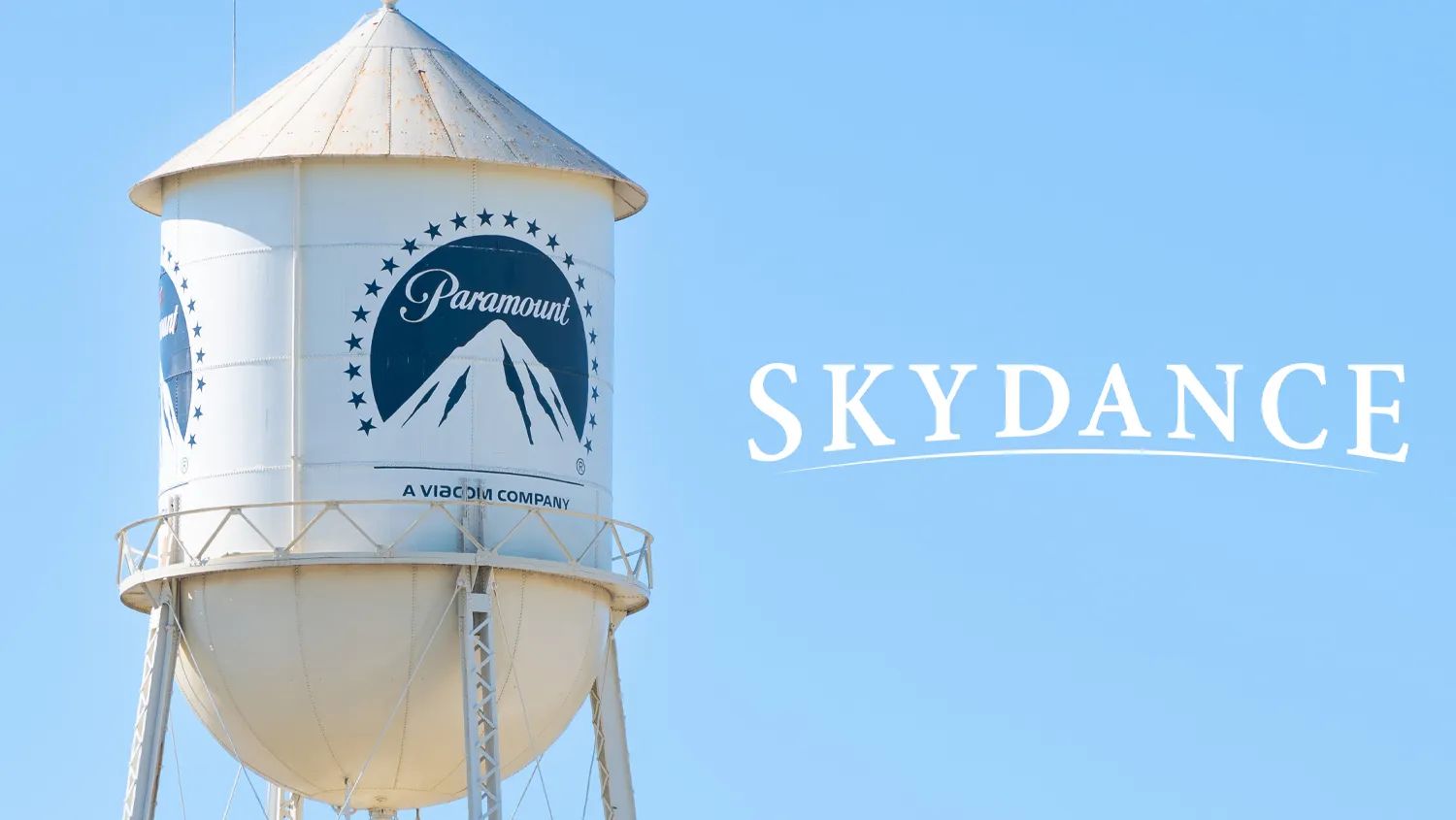
What it signals: Hollywood's consolidation era is accelerating and reshaping the media buying landscape. It’s worth paying attention to how this deal plays out as the platforms your audience watches will be owned by fewer hands and there are fewer but bigger partners to negotiate with.
📖 Read more: The Hollywood Reporter
McDonald’s CEO faces backlash over video
McDonald's CEO Chris Kempczinski found himself in an unexpected (and unflattering) spotlight after an Instagram video of him sampling the brand's new Big Arch double-burger went viral. The clip, posted to his personal account, shows Kempczinski describing the burger, taking a bite, and encouraging followers to try it themselves. However, viewers were quick to call out what they saw as a lack of authenticity, with one commenter declaring: “This man does not eat McDonald's.” Competitors piled on, too. Wendy's commented “lots to unpack here,” while Burger King said “we couldn't finish it either.”
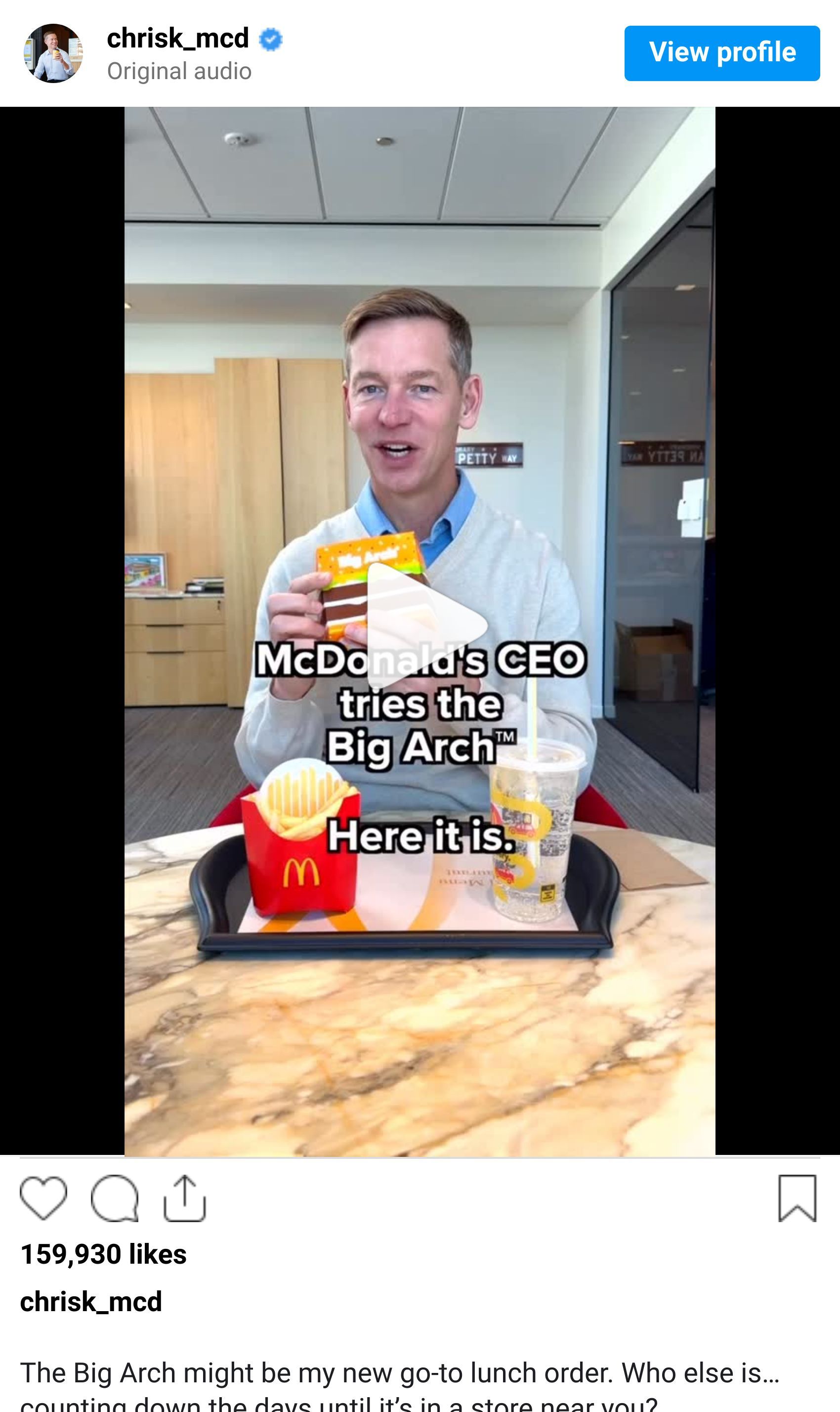
What it signals: This situation points to the importance of authenticity and the sharp discernment of modern audiences. Kempczinski's video wasn't a crisis, but the swift pile-on demonstrates that audiences have a finely tuned radar for content that feels forced—and they're not shy about saying so. For marketers, this isn’t a warning that executives should stay off social media. But when they do show up, the content needs to feel genuine.
📖 Read more: Ad Week
Charlotte Tilbury taps new CMO amid leadership shakeup
Charlotte Tilbury appointed Jerome Leloup as its new Chief Marketing Officer. Leloup spent the last 13 years working for the Spanish fashion and beauty conglomerate Puig. Most recently, he served as vice president at Puig’s subsidiary Rabanne. The new hire arrives just days after reports that longtime CEO Demetra Pinsent announced her resignation internally.
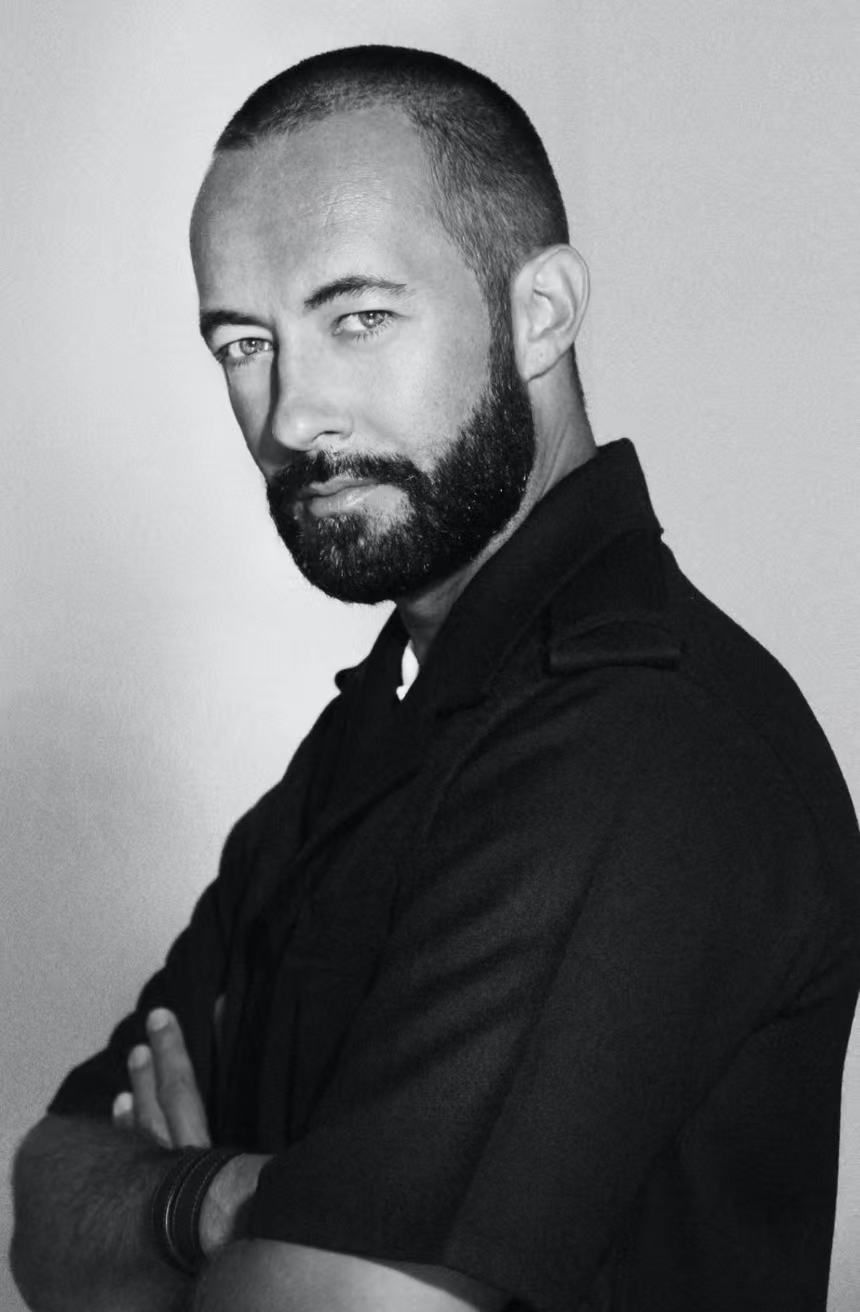
What it signals: A new CMO arriving on the heels of a CEO departure can indicate a meaningful strategic reset. For Charlotte Tilbury, the timing raises questions about where the brand is headed and who will ultimately set that direction. Bringing in someone with Leloup's background in fashion and fragrance suggests the brand may be looking to broaden its positioning beyond beauty or bring a more fashion-forward focus to its marketing. It's a reminder that CMO transitions can often signal a shift in business priorities.
📖 Read more: Fashion Network
MarTech moves 🤖
Claude surpasses ChatGPT as the top app store download
Anthropic's Claude claimed the number one spot on the Apple App Store after an unexpected catalyst: a public standoff with the federal government. In talks with the Department of Defense, Anthropic had two red lines: Claude AI couldn’t be used to conduct mass surveillance or to power autonomous weapons. The Pentagon walked away from the deal and Defense Secretary Pete Hegseth declared Anthropic a “supply chain risk,” directing military contractors to stop working with the company. Then, OpenAI’s subsequent deal with the Pentagon sparked backlash over its own policies about surveillance and autonomous weapons. Meanwhile, Anthropic saw a surge of public support.
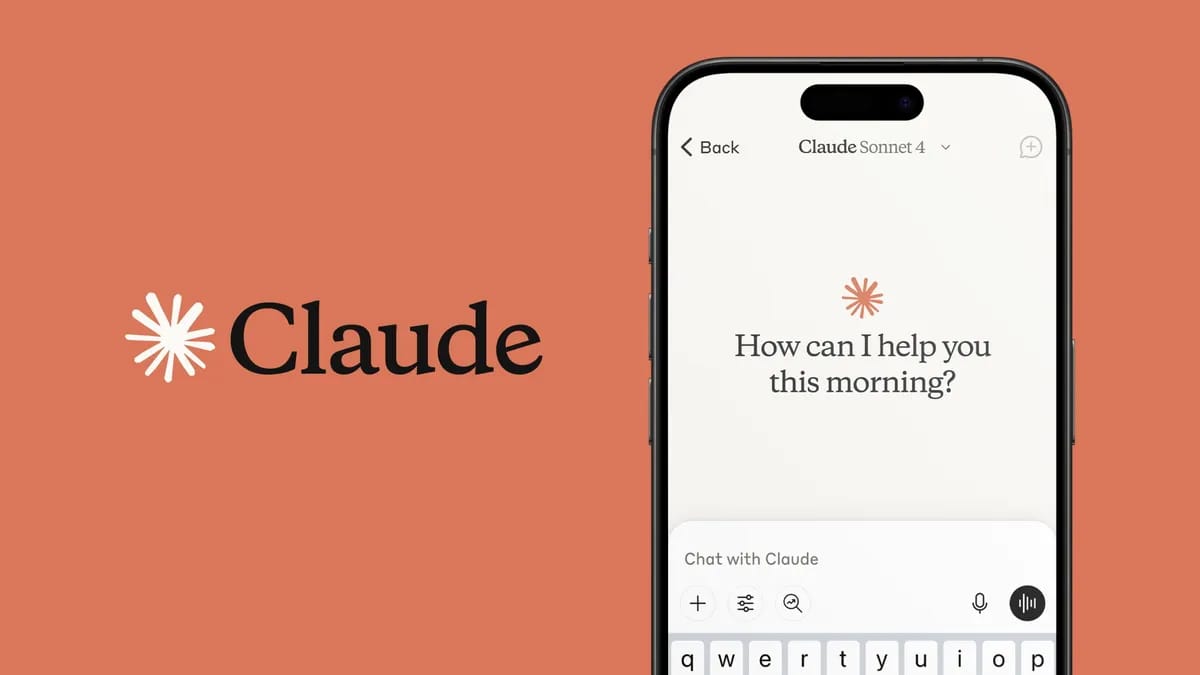
What it signals: Corporate values are becoming a genuine competitive differentiator in the AI race and this is the clearest proof yet. A significant portion of the public is now choosing platforms based on company philosophy rather than features or price, which is a dynamic most tech brands haven't had to navigate before. For marketers, it's a powerful reminder that taking a principled public stance—even one that costs you opportunities or contracts—can generate fervent brand loyalty.
📖 Read more: Business Insider
Suno AI hits 2 million subscribers
Suno, the AI music generator, crossed 2 million paying subscribers, making it one of the fastest-growing consumer subscription services in the creative tech space. The milestone comes despite ongoing legal battles with major record labels over copyright and training data. The growing platform is known for ease of use and increasingly high-quality output, putting studio-grade music production in the hands of anyone with a browser. Suno’s CEO Mikey Shulman claimed "The future of consumer entertainment is creative. Suno lets everyone actively participate in music culture creation.”

What it signals: Suno's success offers a peek into consumer sentiment on AI-generated music. It also indicates that high-fidelity creative assets—once gated behind expensive studio time or specialist talent—are rapidly becoming a democratized commodity. This has major implications for cost saving, speed, and the creative process. Brands that choose to embrace generative audio can score campaigns, create sonic identities, and test creative variations at a pace that simply wasn't possible before.
📖 Read more: The Hollywood Reporter
Outfront and AdQuick partner to automate OOH advertising
Outfront Media partnered with OOH marketplace AdQuick to integrate its vast inventory of digital billboards and transit displays directly into AdQuick's software platform. The deal means marketers can now plan, buy, and measure outdoor campaigns with the same speed and data-driven precision as a digital search or social buy. With no manual contracts and no lengthy back-and-forth, this marks a significant infrastructural shift for an industry that’s historically lagged behind digital
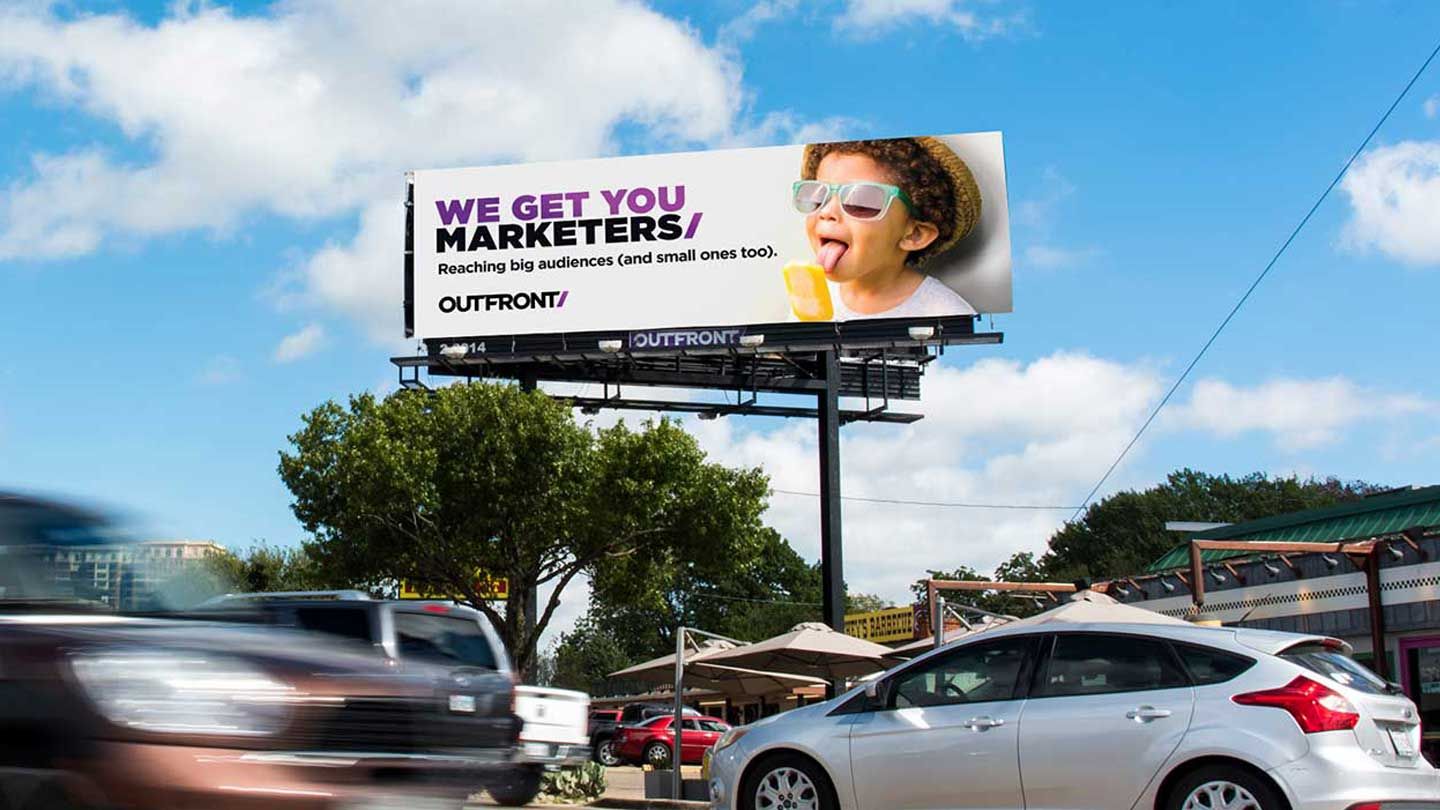
What it signals: By automating the buying process, Outfront is opening up outdoor advertising to a class of advertisers that previously found it too cumbersome to bother with. Online-first and DTC brands that historically gravitated toward the flexibility of digital now have fewer reasons to avoid OOH. For marketers, there are major upsides to an efficient buying process and creative that can be updated in real time. See that? The line between online and outdoor advertising is getting blurrier.
📖 Read more: AdWeek
Editors Choice 👀
🪑 Unpacking why modern CMOs are still fighting for their seat at the table 📖 Read more: Forbes
🧧 How brands showed up during Lunar New Year celebrations this year 📖 Read more: Ad Age
😎 Procter & Gamble retired Mr. Clean… then resurrected him two weeks later 📖 Read more: Marketing Brew
End the search: Vendry makes it simple to find your next agency partner. Share your needs and get connected with vetted, top-tier options in under a week—at no cost to you.
Don't miss the next Case Studied™.
Join 40,000+ marketers and receive a breakdown of the world's best brands every week.