How YETI used Google Map’s API to relaunch one of its most beloved products
If you’ve been a Case Studied reader for a while, you might remember our edition about how Netflix circumvented ad-blocking software to run promo for season three of Black Mirror. You can read about it here but the gist is that Netflix and the agency Mediahub reached audiences with a clever, first-to-market media hack.
The story we’re telling this week is essentially the opposite of that Netflix campaign: instead of software evaders, we’re covering software hijackers.
This week, Case Studied explores how YETI used Google Maps API to relaunch one its most beloved products.
But first…. uncover the secret 100’s of CMOs use to hire the best marketing agencies.
Ever wonder how the world’s best CMO’s hire agencies?
They don’t spend hours Googling “best Digital marketing agency” or sitting in on “get to know you calls”.
The key to finding the perfect agency is running your search with Case Studied to get a personalized shortlist of the best agencies handpicked for your team.
We’ve helped Shopify, Magic Spoon, Spotify & more hire agencies that drive results.
Schedule your 15-minute discovery call and get connect with agency partners that will help your team hit your 2024 KPIs!
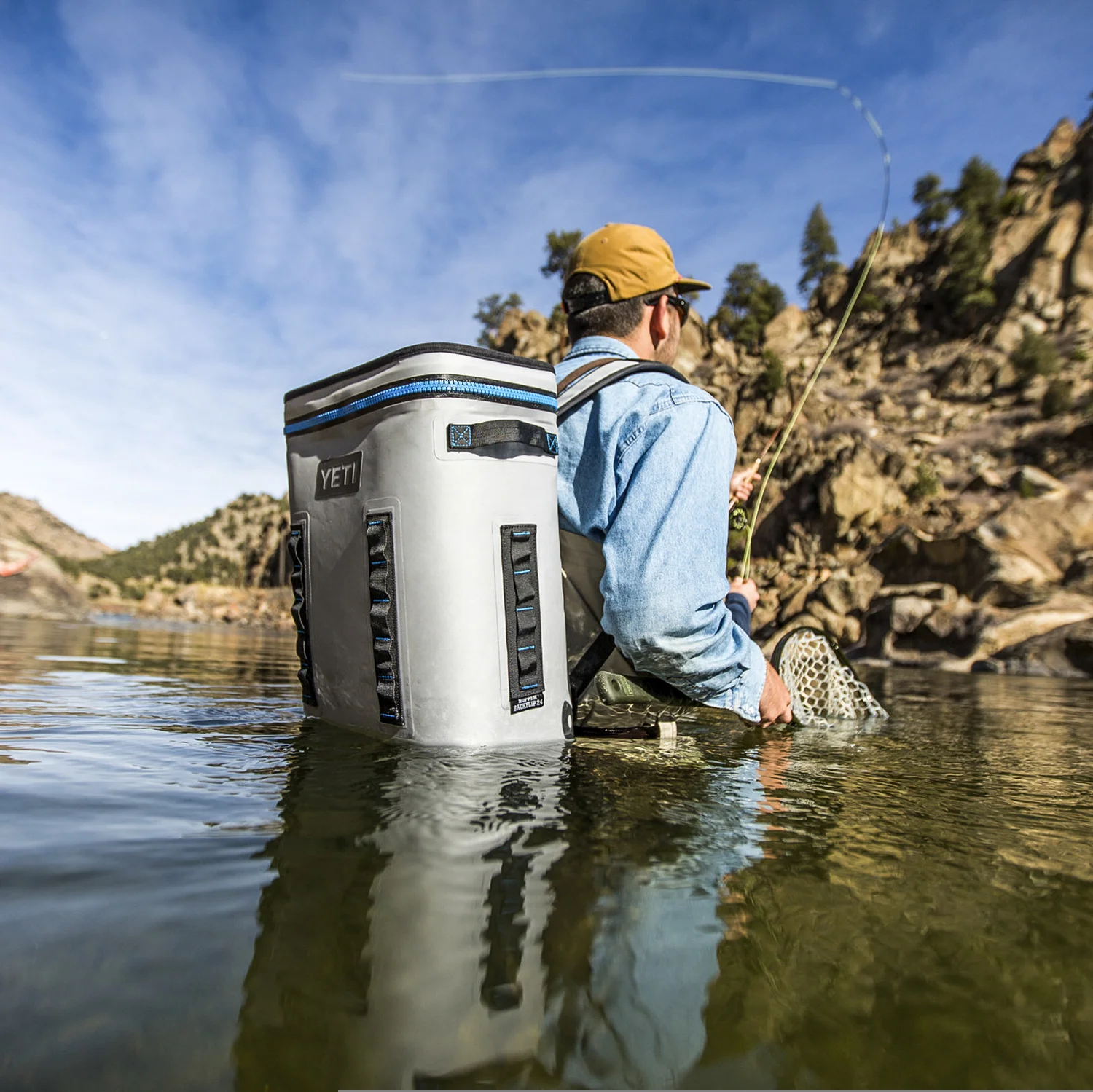
You don’t have to be an avid hiker to own a YETI tumbler or hard cooler but the brand’s main demo is outdoor enthusiasts. And a large part of the brand’s mission is focused on making the wild more accessible to everyone.
When YETI set out to relaunch its Hopper M-series backpack cooler, that brand ethos played a major role in the creative direction. The campaign’s goal was to highlight the Hopper’s splashy improvements and how it can be used on outdoor adventures. So pretty straightforward, right?
Here’s where it gets hijack-ey: Shortly before YETI started brainstorming the Hopper relaunch campaign, Google Maps released an application programming interface (API). This opened up access to Google Maps data and functionality in a huuuuge way. The API was, and still is to this day, free with unlimited uses.
Functionally, this allowed businesses to start doing things like adding customized location markers or displaying interactive maps. And it also opened the door for YETI to do a little good-natured hijacking.
The Execution:
YETI took inspiration from these stats: Google has mapped 98% of the world, 100 countries, and 10 million miles of concrete roads.
Since their audience was more interested in the unpaved paths, YETI teamed up with the agency Code and Theory to find, map, and share the remaining 2% of uncharted territory.
They started by choosing 15 beautiful, low-key trails around the world that were untouched by Google. They mapped out the routes and gathered 13 YETI ambassadors who also happen to be seasoned hikers. Some had trekked through rainforests in British Columbia, others crossed deserts in Santa Fe. Among the ambassadors were renowned rock climbers Steph Davis and Conrad Anker.
Each ambassador was equipped with a GPS-enabled 360° GoPro camera and the YETI Hopper backpack. And with that on their back, they set out to hike and document their trails.
The hikers captured all kinds of footage—the trailheads, key sites along the path. Code and Theory helped turn hours of raw GoPro footage into an immersive experience on the campaign’s website and Google Maps.
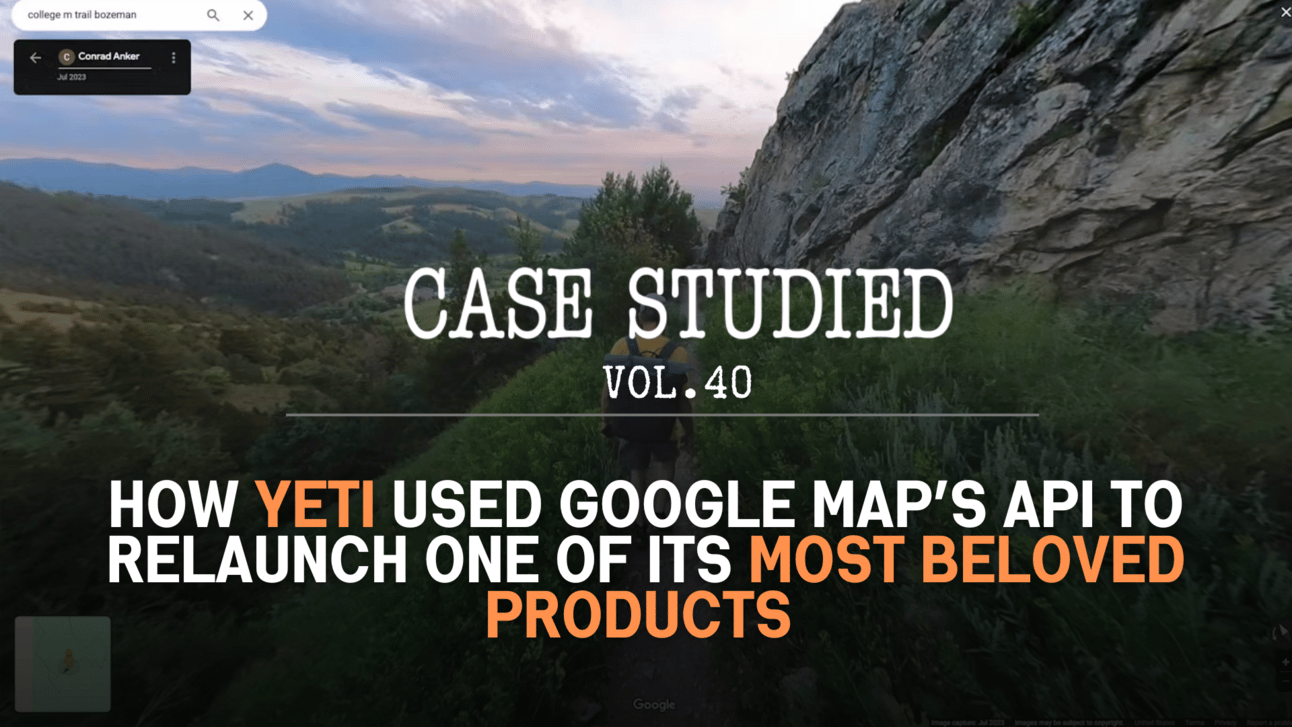
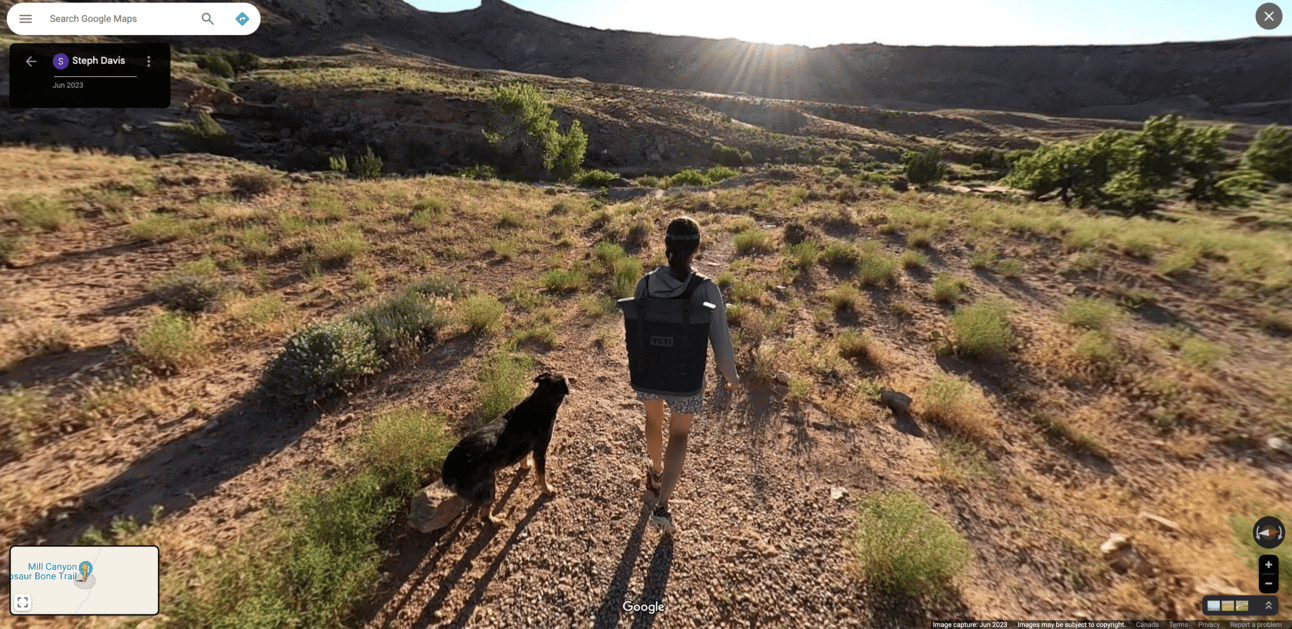
On Google Maps, they turned street views into trails views by uploading 360° views of spots that were previously hidden gems. And this move literally put YETI and the Hopper on the map—Images of the backpack are clearly visible in the “street view”, like here with Step Davis’s hike at Mill Canyon Dinosaur Trail. Each trail the ambassadors mapped essentially became an interactive ad/demo for the Hopper.
The campaign’s website has a click-and-tap interface where viewers can choose which trail they’d like to look at. When they choose to “take the hike,” they unlock access to all kinds of details: 360° views of the trail head and key sites along the path, logistical details like trail distance and elevation gain, biographies of the different hikers. And of course, there’s a see and shop section that has the items that were in the hikers’ Hopper packs.
Outside of advertising the backpack, the Map the Gaps has the main info someone would need to plan a hike, which can be particularly helpful for families or folks with specific needs. And to embrace the mission of creating accessibility even further, YETI adhered the campaign’s content to the AA level of Web Content Accessibility Guidelines.
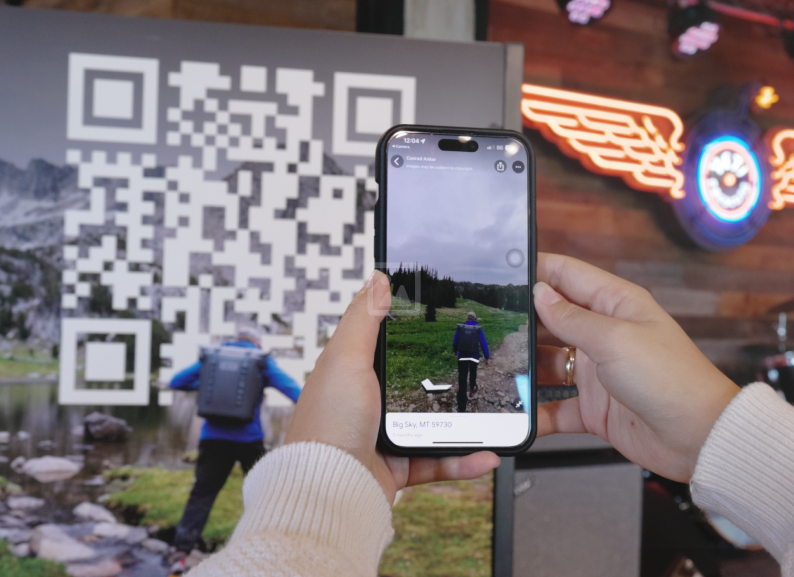
To get the word out about Map the Gaps, YETI used strategically placed in-store ads, social videos, digital and paid media. They focused on reaching brand loyalists and newcomers, with messaging focused on giving the audience more of the world to explore.
The Results:
After the launch of Map the Gaps, the Hopper became the most viewed product on Yeti.com. The brand saw a +300% increase in Hopper sales and it accessed 1 billion monthly users through Google API.
Map the Gaps racked up 73 million impressions from press across publications like Forbes, Ad Age, and Gear Junkie. It was the Webby Awards People’s Voice Winner and won the website/app category in the Shorty Awards, with gold honors in the micro-site, creative use of technology category.
The Takeaways:
It’s not every day you come across a wildly successful integrated, community marketing campaign with a splash of hijacking. So when they do, it’s best to learn from them. Here are some takeaways from YETI’s Map the Gaps:
1. Take your brand to the extreme
Maybe mapping the outdoors is not something your team can pull off, but the insight to takeaway from YETI is building a brand requires owning a particular message and creating marketing that reinforces that message as often as possible.
Consider what particular activities, topics or interests your brand stands for and find unique ways to continually build that association as strongly as possible. That could be in the form of events, social posts, campaigns or pretty much any piece of marketing you develop.
2. Make tech your friend
In 2024, your business exists in a tech enabled marketing landscape. Finding unique ways to leverage technology as a competitive advantage will help you not only gain notoriety and earned media impressions, but accomplish cool marketing campaigns that couldn’t exist just a few years ago.
While not every brand has infinite development or technical resources, even staying at the forefront of new features or trends launching on social media platforms and hopping on them while they are novel can provide you with outsized results.
3. Leverage ambassadors to tell your story
While ambassadors and influencers are similar, the two relationships are quite different and brands need to consider both for their creator strategies. The main distinction with ambassadors are that the relationship tends to be longer term and involve the creator using the product over a longer time horizon.
For this particular campaign, naming ambassadors makes a lot of sense, as YETI was looking for individuals that epitomize the outdoor lifestyle they tap into and use their products every day. By building a longer term partnership and content series around their new cooler, the ambassadors were given the ability to develop a ton of content that could be used by the brand.
ICYMI:
Missed the last week of Case Studied? We’ve got you covered.
Last week we explored W Hotels influencer campaign, conducting candid interviews with creators about their travel experiences, all from the comfort of one of their beds.