How Coke unofficially rebranded itself to teens and increased revenue by 11%
Have you ever used the expression “with your name on it”? We’ve got a car with your name on it. That job has your name on it. It’s a relatively common one. As far as phrases go, it’s functional but not flashy.
For Coke, however, it’s more than an expression. It’s the concept behind a campaign that connected their brand with a key segment of their audience—teens.
This week explores how Coke unofficially rebranded itself to teens and increased revenue by 11%.
The Brief:
Back in 2013, carbonated soft drinks were having a tough time. Coca-cola, long-regarded as one of the most iconic soda brands, was having trouble reaching the teen market. Why? This audience segment saw Coke as their parents’ drink—even calling it “trusty but dusty.”
That statement alone is a pretty spicy burn. But the key data point that drove Coke to action (and became their campaign’s main KPI) was this: half of all U.S. teens had not enjoyed a Coke in the previous year.
The teen market represented the next generation of customers for Coke so connecting with them was an important part of securing the brand’s future. And that meant perception needed to change and sales needed to increase.
The Execution:
To reach these goals, Coke partnered with Starcom Mediavest Group, Wieden + Kennedy, and Fast Horse to create the Share a Coke campaign in the U.S.
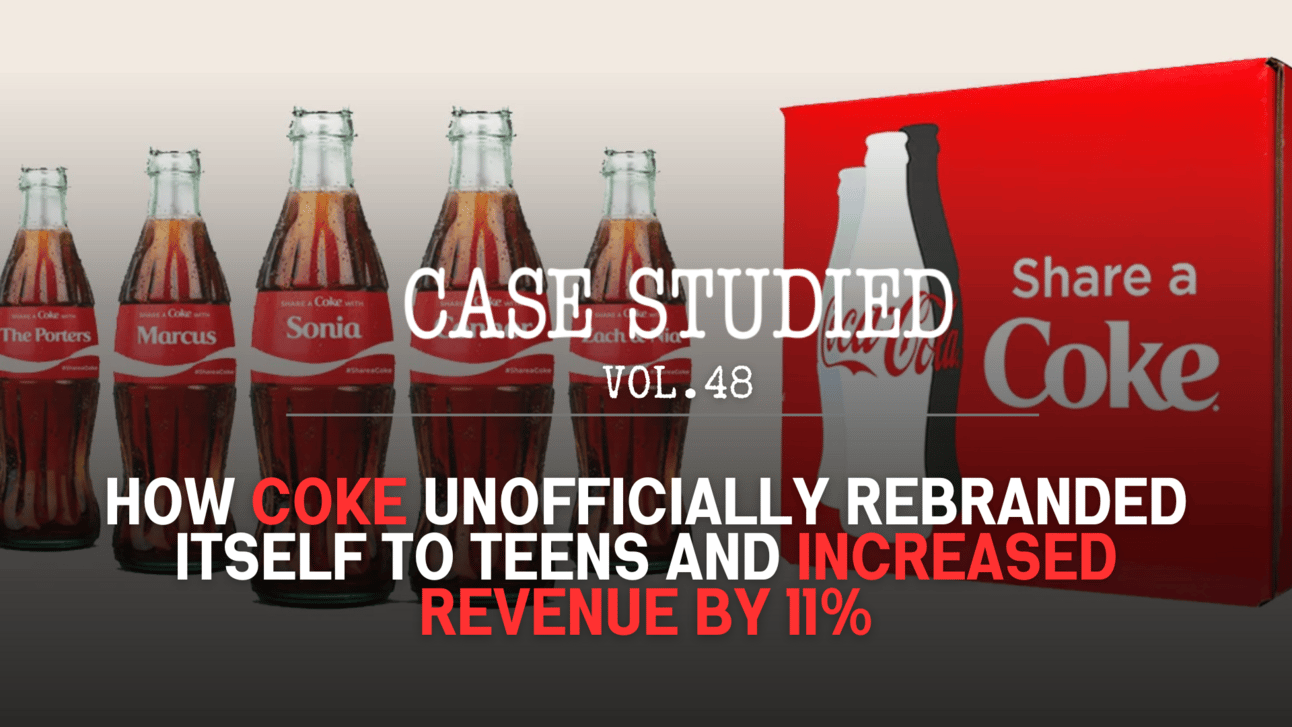
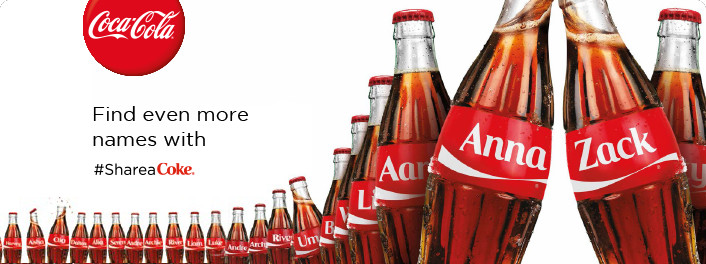
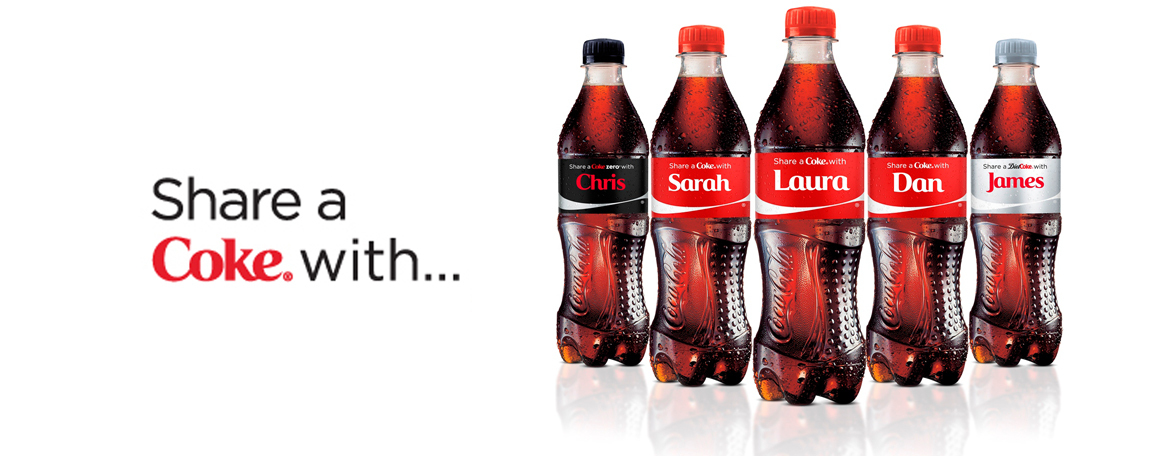
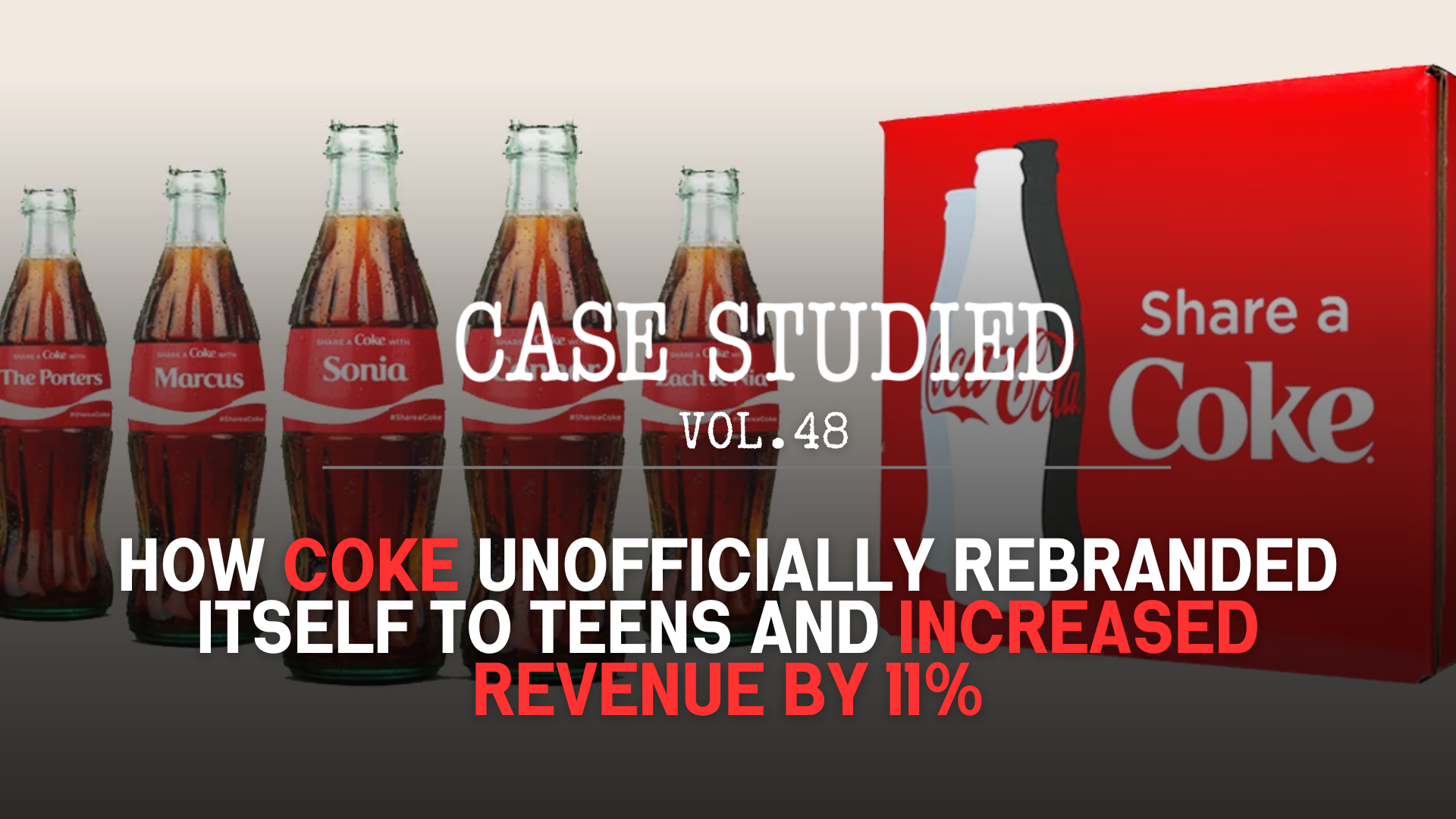
They’d already seen success with the campaign in other countries—the idea was to remove Coke’s brand name from its 20-ounce bottles and replace it with some of the most common teen names (250 in total). In a very literal way, they leaned into the idea of personal connection with their packaging, with a big social media push to make it stick.
They started off with a small launch that generated worth-of-mouth about the personalized bottles in a way that felt organic. The only paid media they leveraged was search, which drove to the campaign website.
Then, TV and online videos were layered in via huge digital takeovers and out-of-home ads were deployed in areas with high teenage traffic. But it wasn’t just about awareness—it was about sharing, mainly on social.
To encourage that, Coke leveraged a few channels:
🚍 They put interactive, human-sized Coke bottles on bus stop shelters where teens could type their names in, see it on the bottle, and share a photo.
🌆 They created a digital outdoor ad in Times Square featuring names of teens who opted in via text.
🤳 They partnered with influencers and personalities who were popular among teens, like CollegeHumor’s comedy duo Jake and Amir, Carter Reynolds, and Cameron Dallas.
The social aspect of the campaign took off on both the paid and organic side. The hashtag #ShareaCoke became the number one global trending topic on Twitter after Dallas promised to follow everyone who tweeted it.
And a video of the McGillicuddy family announcing a pregnancy using “Mom” and “Dad” Coke cans garnered 4 million views on YouTube and 50 million earned media mentions across news outlets.
The Results:
This campaign achieved a lot. Let’s start with social: it had a 14% share rate on Facebook, and organic celebrity posts generated about 13.6 million impressions.
Influencer tweets promoted via Coke’s Twitter handle saw a 13.8% engagement rate and Facebook saw an average click-through rate of 2.16%. Instagram was the true champion of social, though—it housed 75% of the campaign’s public mentions, helping Coke gain over 100k new followers.
For the business itself, Share a Coke drove an 11% increase in revenue and volume. During the campaign, Coke had its best four weeks of sales since 2009, plus the largest YoY growth the brand had seen on record.
And the brand’s most important KPI—increasing the percentage of teens who have consumed Coke in the last four weeks—was measured and achieved. About 1.25 million more teens tried Coke during the summer of the Share a Coke campaign.
The Takeaways:
Coke’s unofficial rebrand to teens offers up some valuable lessons. Here are a few that stand out:
1. Get specific about your audience segments
Coke’s success stemmed from recognizing that teens saw their product as “trusty but dusty,” prompting them to personalize the experience. Brands should similarly conduct in-depth research to understand how different audience segments perceive their offerings. Once identified, focus on creating campaigns that cater to the preferences, behaviors, and language of these segments.
Personalization—whether through product design, targeted messaging, or interactive experiences—can create deeper emotional connections. Coke is a great example of why brands (specifically legacy ones) must constantly reevaluate their market to spot opportunities for re-engagement and develop campaigns that address segment-specific perceptions and needs.
2. Think (and act) long-term
While the “Share a Coke” campaign had short-term boosts in sales, it was designed to build long-term loyalty with teens. Brands should look beyond immediate results and craft campaigns that strengthen customer relationships over time. This involves creating a memorable, positive brand experience that endures beyond a single promotion, driving repeat interactions and sustained engagement.
Consider how your current campaign can lay the foundation for future brand affinity, leveraging moments of connection to turn occasional buyers into lifelong advocates. Longevity comes from continuously evolving your message to stay relevant with your target audience.
3. Monitor your brand health scores like a hawk
Coke’s focus on tracking a specific KPI—teen consumption—was crucial to the campaign’s success. Brands need to set clear, measurable goals at the outset of any campaign and continuously track performance against them. Use a variety of metrics, such as customer engagement, brand perception, and market penetration, to assess your campaign’s impact.
This data allows for real-time adjustments, ensuring you stay aligned with your objectives. Brands should integrate these insights into future campaigns, refining strategies based on what worked and what needs improvement to ensure long-term success.
Don't miss the next Case Studied™.
Join 40,000+ marketers and receive a breakdown of the world's best brands every week.