Vol 29. Athletic Greens: Coming to a podcast near you 🎧
Sponsored: Unlock your perfect marketing agency in only 15 minutes.
Vendry is a free matchmaking service for connecting the world’s best brands to their perfect agency match.
Some of the searches we’ve run in May include…
Helping a 9-figure DTC apparel brand find a Meta Ads agency 👕
Working with a Series-C AI startup hire an SEO partner 💻
Running an RFP for a large university to find a dev agency 🏫
Matching a CPG brand to a new creative firm 🛒
Book a 15-minute call w/ our team of Growth Experts and we’ll match you with the perfect agency (for free), plus you’ll receive a $50 Uber Eats Gift Card for your time.
How Athletic Greens springboarded growth using one key marketing channel
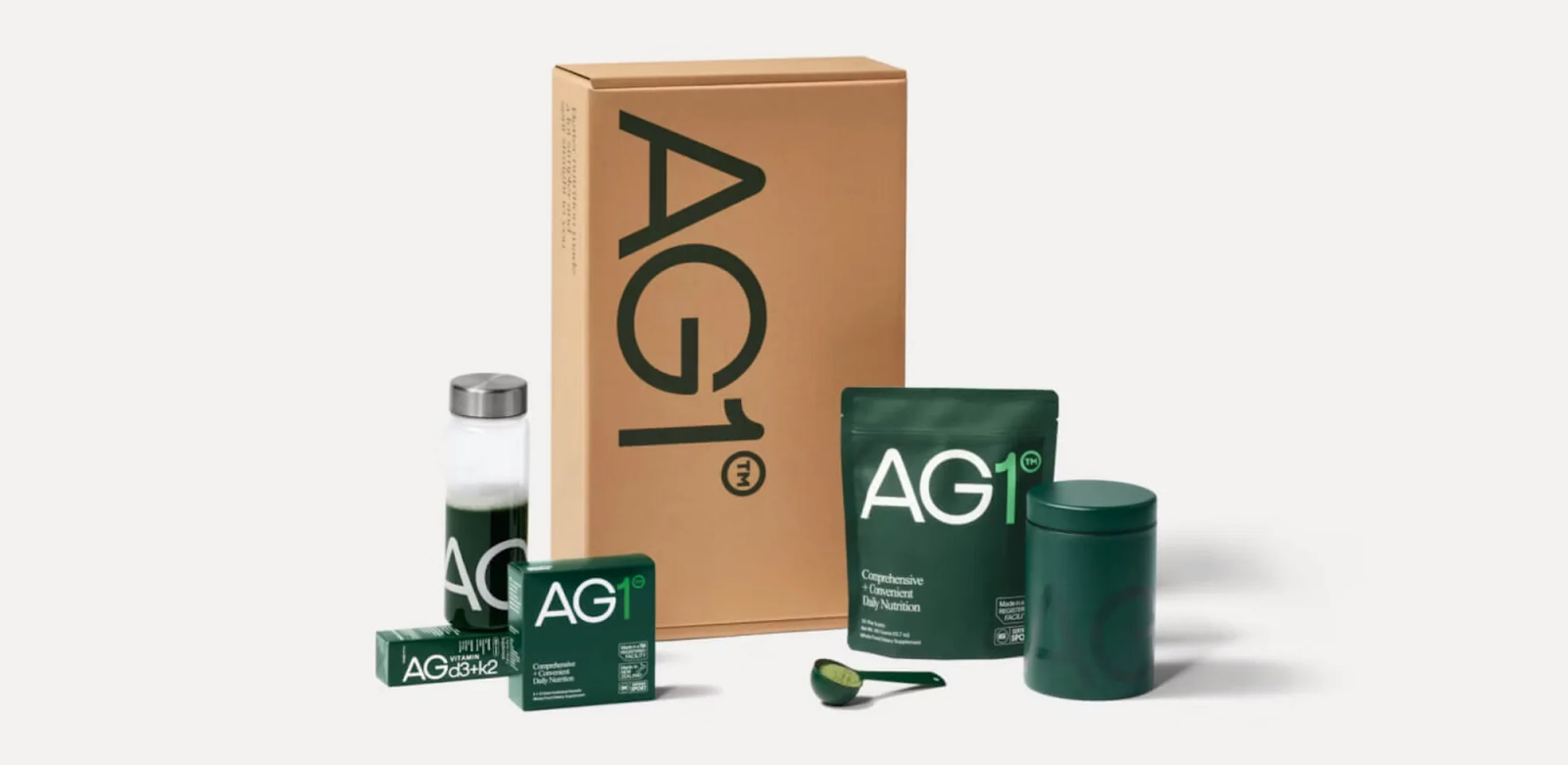
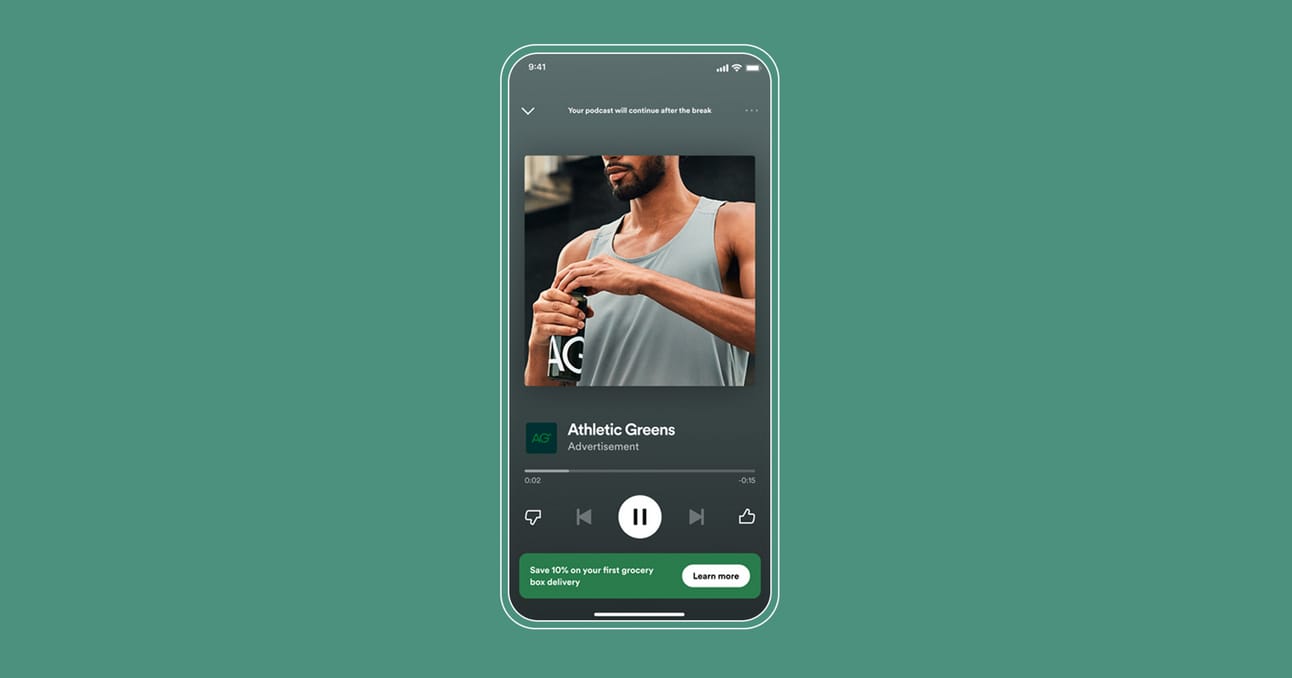
If you’ve heard of Athletic Greens, it was probably through your speakers. This wellness brand is all over the airwaves. It’s the third largest podcast advertiser by total show count behind BetterHelp and Manscaped. Its ads always promote AG1, a 75-ingredient green powder that’s designed to replace multiple supplements and provide “comprehensive nutrition and gut health support in one daily drink.”
Looking at the numbers, Athletic Greens’ strategy for podcast marketing has paid off for the brand, big time.
This week, Case Studies examines how Athletic Greens supercharged its brand growth using one key marketing channel, podcasts.
The Brief:
Chris Ashenden bought the athleticgreens.com domain name in 2009. To market his product, he took the approach of targeting early adopters who had influence—trainers, nutritionists, etc.
One of those early influencers Ashenden partnered with was Tim Ferriss, an entrepreneur, investor, and author. At the time, Ferriss had published the book The 4-Hour Workweek. Then in 2010, he published The 4-Hour Body (which was later followed up with The 4-Hour Chef). Ferriss mentioned Athletic Greens in the book, unprompted, leading to a huge boost in sales for the brand.
After that early boom, it became clear—AG had found a marketing strategy that worked and ran with it… into the world of podcasts.
The Execution:
Athletic Greens CRO Jonathan Corne said he started off testing the podcast medium by reaching out to whichever podcaster he was listening to at the time. The goal was to convert influencers into customers (while also approaching influencers who are already customers).
As the strategy evolved, AG started looking for audiences who are “taking ownership of their health, their personal finances, their relationships.” That meant going outside the low-hanging fruit and finding partners outside your typical health and wellness niche.
Today, some of the brand’s big-name partners stretch across a range of show genres—including Ferriss’s podcast, The Tim Ferriss Show (business), Armchair Expert with Dax Shepard (comedy/interview), Pod Save America (political), and Crime Junkie (true crime). Corne said the brand is partnering with “hundreds” of podcasters at any given time.
It is estimated that the brand is now spending over $2.2 million in podcast ads a month as their strategy has matured and they seek to reach an even broader audience.
Whether you’re selling software or suede shoes, having an endorsement-style ad can make a big impact to listening ears. But it’s particularly impactful in the saturated supplement market, where there’s an abundance of research, recommendations, and products.
Athletic Greens also set itself apart by focusing on the long game. Even in economic downturns, it’s made a point to keep its partnerships going.
“What we don’t want to do is cancel anything,” Corne said. “We want to make sure that we stay because we want to continue to build more and more relationships.”
The consistency of the brand’s long game certainly makes AG memorable. A listener could hear 5 different ad reads within the one week period, either on the same podcast or across multiple. That level of exposure is bound to drive brand recall, purchase intent, and actual purchases over time.
The Results:
According to Athletic Greens President, COO, and board director Kat Cole, the company grew between 150-200% year-over-year—for two years in a row. In 2021, it reached $150 million in revenue run rate and surpassed 100% in customer growth. Then in 2022, AG raised $115 million, pushing the company’s value to $1.2 billion.
After turning early adopters into brand heroes, the brand has elevated some of its partnerships even further. Its very first influencer partner, Ferriss, is now an investor in the company. And Neuroscientist Andrew D. Huberman—who hosts the Huberman Lab podcast where he promotes AG—joined the company as a medical advisor.
The Takeaways:
Athletic Greens went all in on a niche marketing channel with a specific strategy, and it paid off. Here are a few learnings you can take away from its success story.
1. Find your perfect channel mix
Athletic Greens operates in a very competitive market, which is why finding a marketing channel that wasn’t already saturated but aligned with the brand was so imperative to their growth trajectory.
While mass channels like Meta advertising or TV can work for a variety of brands, it is important to allocate some of your marketing budget to testing new channels, specifically ones that might provide your team a competitive advantage if successful.
Make a ranked list of the channels you think are most likely to have an impact for your team and every quarter try and check off at least 1 or 2 to test.
2. Influence is a multiplier
While the podcasting format has been paramount to helping Athletic Greens succeed, it’s actually their creative strategy of leveraging prominent influencers that are advocates in the health food space that has enabled them to be successful.
Even if you can’t access mega influencers for your products early on, finding superusers in your category and getting their buy-in as to why your product is the superior solution can be a massive boost to your ads.
3. Start testing today
One of the best parts of this case study is how the Athletic Greens team didn’t overthink their podcast strategy early on, the goal was simply to get their products in the hands of whoever they could and see what became of it.
Sometimes marketers like to overanalyze projects that can be tested relatively quickly. Consider leaving your financial models or 20-slide PowerPoints behind and start doing.
Don't miss the next Case Studied™.
Join 40,000+ marketers and receive a breakdown of the world's best brands every week.